
Burner maintenance: Why focusing on the burner alone is not enough
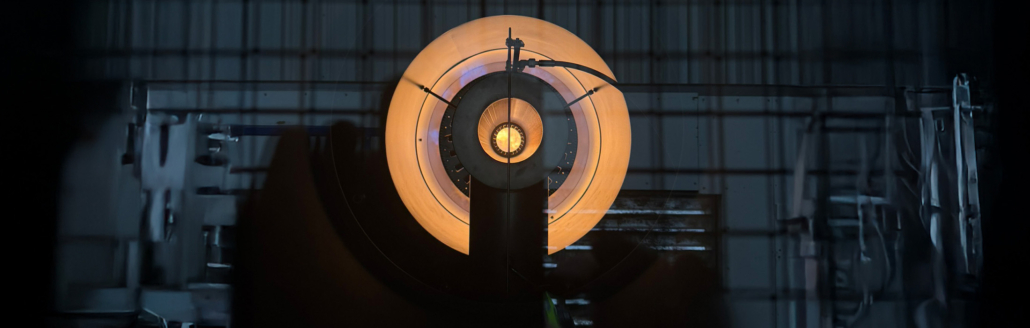
When it comes to burner maintenance, the first thing that springs to mind is the burner itself. But that is not the whole picture. A combustion system consists of many components that work closely together: fuel supply, control and safety systems, as well as combustion and emissions. If you want to operate your system reliably and efficiently, you need to keep an eye on the whole system as a whole.
Maintenance starts with the burner, but it doesn’t stop there
Regular inspection and cleaning of the burner are essential. This includes, for example, checking wear parts as well as inspecting the ignition system, flame head, blower and air ducts. However, the surrounding systems are just as important: fuel lines, pressure and safety switches, flame monitoring, the automatic combustion control system and safety interlocks are all part of this. Only by considering all these factors together can the condition of the plant be properly assessed.
What combustion reveals about plant operations
Maintenance is not just about checking individual components. Combustion output and combustion quality also play a major role. By checking and optimising combustion and O₂ control, you can reduce fuel consumption and emissions whilst improving energy efficiency. This is complemented by emission measurements and their documentation. Low-NOx solutions may also be relevant here. In this way, potential areas for optimisation can be identified straight away during maintenance.
What happens if something doesn’t work?
In the event of a fault, the first step is to systematically narrow down the cause – not only on the burner itself, but also in the fuel lines or combustion control systems. Depending on the cause, this is followed by repairs, the procurement of spare parts and recommissioning. Here, too, it becomes clear that a combustion system is not merely a collection of individual components, but relies on their interaction.
Maintenance can also raise questions about the future of the plant
With existing plants, the question eventually arises as to how they will be managed in the long term. Perhaps other fuels will need to be used. Perhaps certain components are no longer available and need to be replaced. Perhaps the plant needs to be technically modernised. In such cases, the maintenance issue becomes a retrofit issue. An asset condition assessment provides the basis for this – building on this, individual modernisation concepts can be developed, components replaced or the plant converted to run on other fuels.
Looking at the system as a whole
Regular, professional maintenance reduces downtime, extends the service life of the plant and cuts energy and operating costs. However, it is crucial that maintenance is not limited to a single component. The burner is an important part of the system – but for reliable, safe and efficient operation, it is the interaction of the entire system that counts. This is precisely why, when carrying out burner maintenance, NESS considers not only the burner itself, but the entire boiler system – from fuel supply, through control and safety technology, combustion and emissions, right through to boiler technology.


